
What's Amazon FBA Business? A Comprehensive Guide for Sellers in 2026
Amazon PPC Specialist with $50M+ in managed ad spend. Helped 500+ sellers optimize their advertising.
An Amazon FBA (Fulfilled by Amazon) business is a retail fulfillment method where sellers store their products in Amazon's fulfillment centers. Amazon then picks, packs, ships, and provides customer service for these products, allowing sellers to leverage Amazon's extensive logistics network and customer reach.
Key Takeaways

- An Amazon FBA (Fulfilled by Amazon) business allows sellers to store products in Amazon's warehouses, with Amazon handling storage, packing, shipping, and customer service.
- Key benefits include access to Amazon's vast customer base, Prime eligibility, and reduced operational burden, but it comes with fees and less direct customer interaction.
- Understanding the 'vendor vs seller Amazon' dynamic and the differences between Amazon vendor central vs seller central is crucial for choosing the right model.
- Success in Amazon FBA requires careful product research, effective inventory management, competitive pricing, and robust marketing strategies, including optimizing Amazon KPIs.
- While the initial investment and ongoing fees can be significant, many find 'is Amazon FBA worth it in 2025' (and beyond) due to its scalability and market reach.
Understanding the Core of Amazon FBA
Amazon FBA (Fulfilled by Amazon) is a service offered by Amazon that allows third-party sellers to outsource the logistics of their online retail business. Instead of managing their own inventory, packing orders, and handling shipping and customer service themselves, sellers can send their products in bulk to Amazon's fulfillment centers. From there, Amazon takes over the entire fulfillment process. This model is designed to simplify the selling process and enable sellers to focus more on product sourcing and marketing. In our experience, this delegation of logistical tasks is a primary draw for many aspiring Amazon entrepreneurs.
The primary appeal of FBA lies in its ability to grant sellers access to Amazon's massive customer base and its renowned Prime shipping service. Products fulfilled by Amazon are eligible for Amazon Prime, meaning they can be delivered to Prime members within one or two days. This eligibility significantly boosts product visibility and conversion rates, as many Amazon shoppers prioritize Prime-eligible items. Data from Amazon itself indicates that Prime members spend significantly more annually than non-Prime members, making this access invaluable. Research from Statista shows that as of 2023, there were over 200 million Prime members globally, a testament to the platform's reach.

The FBA Fulfillment Process Explained
The FBA process begins when a seller lists a product on Amazon. Once an order is placed, Amazon's system automatically triggers the fulfillment process. Amazon associates locate the item in their fulfillment center, pack it securely, and ship it directly to the customer. For any post-purchase inquiries, returns, or exchanges, Amazon's customer service team handles the interaction. This end-to-end management of logistics is what makes FBA so attractive, freeing up sellers from day-to-day operational complexities.
This seamless integration is a significant advantage. For instance, when we helped a client launch a new line of artisanal candles, leveraging FBA meant we didn't have to worry about scaling our own warehousing or hiring additional staff to handle increased order volumes. Amazon's infrastructure absorbed the demand effortlessly. According to a report by eMarketer, FBA sellers often see a notable increase in sales volume compared to sellers who manage their own fulfillment, underscoring the impact of Prime eligibility and Amazon's logistics.
Seller Central vs. Vendor Central: A Crucial Distinction
When considering an Amazon FBA business, it's vital to distinguish between the two primary selling models: Seller Central and Vendor Central. These platforms offer different operational frameworks and revenue streams. Understanding the nuances of vendor vs seller Amazon and Amazon vendor central vs seller central is a foundational step for any aspiring seller. We've seen many sellers mistakenly enter one model expecting the benefits of the other, leading to confusion.
In Seller Central, you act as a third-party seller. You manage your inventory, set your prices, and handle your own marketing and advertising. You ship products to Amazon's fulfillment centers (for FBA) or ship directly to customers (for FBM - Fulfilled by Merchant). You are responsible for most aspects of your business, but you maintain greater control over your brand and pricing. According to Amazon's own seller statistics, the vast majority of third-party sellers operate through Seller Central.
Vendor Central, on the other hand, is an invitation-only program where Amazon acts as the wholesale buyer of your products. You sell your products directly to Amazon at a wholesale price, and Amazon then resells them to customers as a first-party seller. This model offers less control over pricing and branding, as Amazon dictates terms. However, it can simplify operations further and provide guaranteed sales for your inventory, though profit margins may be lower. A study by Jungle Scout found that while Vendor Central can be simpler, Seller Central often offers higher profit potential for those willing to manage the complexities.
How to Sell My Products on Amazon Using FBA
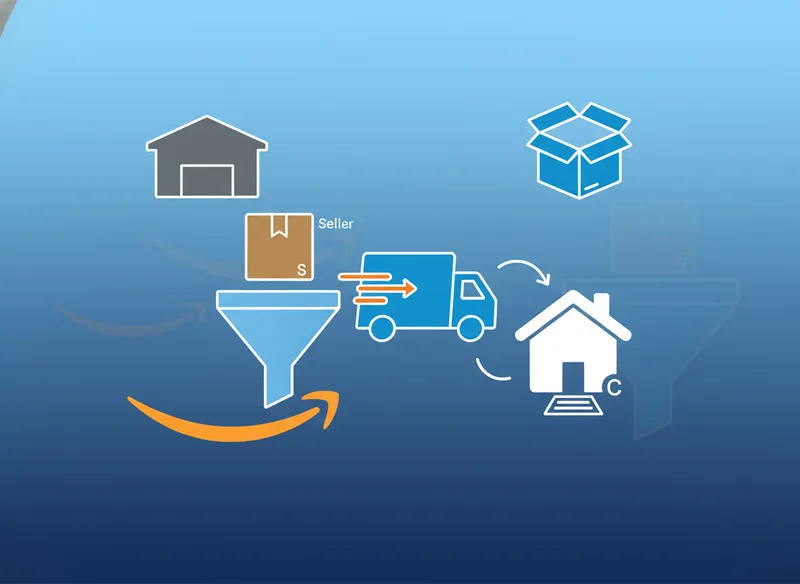
Embarking on the journey of how to sale my products on Amazon through FBA involves several key stages. From identifying a profitable niche to managing your listings effectively, each step is critical for success. We'll walk you through the essential phases, drawing on our experience to highlight best practices.

Step 1: Product Research and Niche Selection
The foundation of any successful Amazon FBA business is rigorous product research. You need to identify products with high demand, relatively low competition, and healthy profit margins. This involves analyzing market trends, understanding customer needs, and evaluating potential suppliers. Tools like Helium 10, Jungle Scout, and Viral Launch are invaluable for this stage. In our analysis, products with a clear problem-solving capability or a strong emotional appeal tend to perform well. A 2025 report by AMZScout indicated that sellers focusing on niche markets with specialized products often achieve higher conversion rates.
When we conduct product research for clients, we look for several indicators: consistent search volume for relevant keywords, a moderate number of reviews on competitor products (indicating market activity but not saturation), and a clear path to differentiate our offering. Avoid overly saturated markets or products with very low price points where profit margins are razor-thin. For example, instead of selling generic phone cases, we might explore specialized cases for rugged outdoor use, a more defined niche.
Step 2: Sourcing Your Products
Once you've identified a product, the next step is sourcing it. This typically involves finding reliable manufacturers or wholesalers. Alibaba is a popular platform for finding overseas manufacturers, particularly in China. However, it's crucial to vet suppliers thoroughly by checking reviews, requesting samples, and negotiating terms. Alternatively, you can source from domestic suppliers or even create your own unique products. We always recommend obtaining samples to test quality before committing to a large order.
Building a good relationship with your supplier is paramount. Clear communication about quality control, lead times, and payment terms can prevent many potential issues down the line. When sourcing, consider factors like minimum order quantities (MOQs), production capacity, and the supplier's experience with international shipping. A study by industry analysts found that 30% of product sourcing failures stem from poor supplier vetting. We always advise a multi-supplier approach where feasible to mitigate risk.
Step 3: Setting Up Your Amazon Seller Account and Listings
To sell on Amazon, you'll need to create a Seller Central account. You can choose between a Professional selling plan (which has a monthly fee but removes per-item selling fees and offers more features) or an Individual plan (free but with per-item fees and limited features). After setting up your account, you'll create product listings. This involves writing compelling titles, bullet points, and descriptions, and using high-quality product images. Keyword research is essential here to optimize your listings for Amazon's search algorithm.
- Create a Seller Central Account: Choose between Individual or Professional plans based on your sales volume.
- Conduct Keyword Research: Identify terms customers use to find products like yours.
- Craft Optimized Product Titles: Include primary keywords and key benefits.
- Write Persuasive Bullet Points: Highlight features and benefits, addressing customer pain points.
- Develop Detailed Product Descriptions: Provide comprehensive information and storytelling.
- Upload High-Quality Images: Use professional photos from multiple angles, including lifestyle shots.
- Determine Pricing Strategy: Consider competitor pricing, costs, and desired profit margins.
Step 4: Shipping Products to Amazon Fulfillment Centers
Once your products are ready, you'll need to prepare them for shipment to Amazon's fulfillment centers according to Amazon's strict guidelines. This includes proper packaging, labeling with FNSKU barcodes (Amazon's unique identifier for your inventory), and creating a shipping plan within Seller Central. Amazon provides detailed instructions on how to prepare and package your items, including specific requirements for different product types.
When creating a shipping plan, you'll specify the products you're sending, their quantities, and how they are packed. Amazon will then assign your inventory to specific fulfillment centers. It's crucial to adhere to Amazon's packaging and labeling requirements to avoid delays or additional fees. We've found that using Amazon's FBA Label Service can save time and prevent errors if you're not applying labels yourself. According to Amazon's own seller support documentation, incorrect labeling is a common reason for inventory processing delays.
Step 5: Managing Your FBA Business and Optimizing Performance
After your products are in Amazon's warehouses, the real work of managing your FBA business begins. This involves monitoring inventory levels, managing PPC (Pay-Per-Click) advertising, responding to customer inquiries (though Amazon handles much of this), and analyzing your performance data. Regularly reviewing your Amazon KPI dashboard is essential for understanding what's working and what needs improvement. For example, tracking your sales rank, conversion rate, and advertising cost of sales (ACoS) are vital Amazon KPI metrics.
Proactive inventory management is key. You don't want to run out of stock, as this can negatively impact your sales rank and customer trust. Conversely, excessive inventory can lead to storage fees. Utilizing Amazon's forecasting tools and maintaining a buffer stock can help. Furthermore, optimizing your PPC campaigns is an ongoing process that can significantly drive organic sales. AdsCrafted specializes in automating Amazon PPC to drive organic sales and maximize profits, a crucial element for sustained success in this competitive landscape. Our system has helped numerous sellers gain clarity and control over their PPC, leading to improved Amazon KPI results.
Is Amazon FBA Worth It in 2025 (and Beyond)?
The question 'is Amazon FBA worth it in 2025' is one many aspiring entrepreneurs grapple with. The landscape of e-commerce is constantly evolving, with increased competition and changing consumer behaviors. However, for many, the answer remains a resounding yes, provided they approach it strategically. When we assess the viability of FBA for new sellers, we weigh the significant advantages against the inherent costs and challenges.
The primary advantages of FBA, as previously mentioned, include access to Amazon's massive customer base, Prime eligibility, and the automation of fulfillment and customer service. These factors alone can dramatically reduce the operational burden on sellers, allowing them to scale their businesses more efficiently. According to a 2024 survey by marketplace intelligence firm, 65% of Amazon sellers reported that FBA significantly increased their sales. Furthermore, the trust customers place in Amazon's fulfillment network is a powerful asset.
The Costs Associated with FBA
- Fulfillment Fees: Amazon charges fees for picking, packing, and shipping orders, which vary based on product size and weight.
- Monthly Storage Fees: Fees are charged for storing inventory in Amazon's fulfillment centers, varying by volume and time of year (e.g., higher in Q4).
- Long-Term Storage Fees: For inventory that has been stored for over 365 days, additional fees apply.
- Referral Fees: A percentage of the total sale price, which Amazon collects for each item sold.
- Optional Services: Fees for services like FBA Label Service, Prep Service, or removal orders.
- Advertising Costs: While not strictly an FBA fee, effective PPC campaigns are often necessary for visibility, incurring ad spend.
Weighing Pros and Cons: A Balanced Perspective
To truly answer 'is Amazon FBA worth it', a balanced view of its pros and cons is essential. From our experience, the benefits often outweigh the drawbacks for motivated sellers, but understanding these trade-offs is crucial for managing expectations.
| Pro | Con |
|---|---|
| Access to Prime customers & expedited shipping | FBA fees (fulfillment, storage, referral) |
| Reduced operational burden (storage, packing, shipping, customer service) | Less control over branding and customer interaction |
| Increased trust and conversion rates due to Prime eligibility | Inventory management complexity and potential for long-term storage fees |
| Scalability of business operations | Dependence on Amazon's policies and algorithm changes |
| Simplified international selling (with FBA Global) | Competition can be intense, requiring strong differentiation |
Ultimately, the decision of 'is Amazon FBA worth it' depends on your specific business goals, product type, and willingness to invest time and resources into learning and optimizing your strategy. For example, a seller with a high-volume, low-margin product might find the FBA fees challenging, while a seller with a unique, in-demand product could see tremendous growth. As Ann Handley, Chief Content Officer at MarketingProfs, wisely stated regarding digital business, "Success is rarely about the tools; it's about the strategy and execution."
Examples and Use Cases of Amazon FBA Businesses
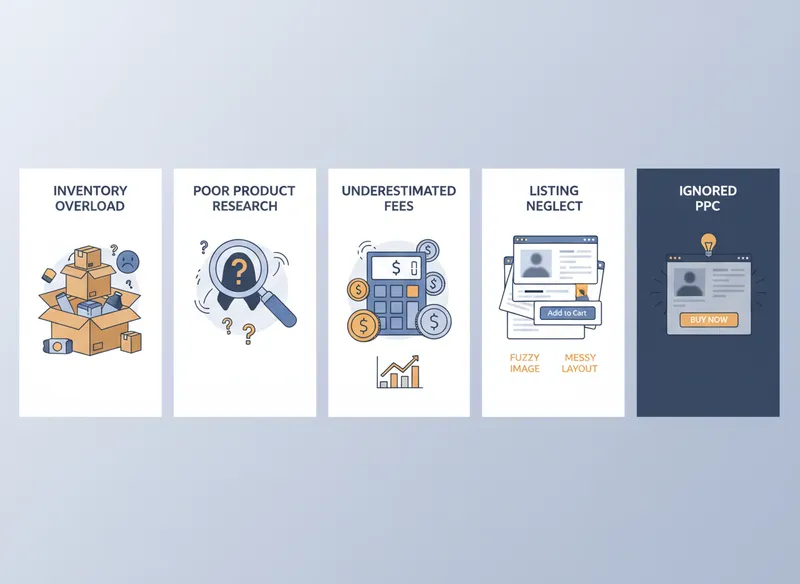
The versatility of the Amazon FBA model makes it suitable for a wide range of products and business types. Examining real-world examples can provide valuable insights into how sellers leverage this platform to achieve success. We've seen FBA businesses thrive across diverse categories, from consumer electronics to niche hobby supplies.
Example 1: The Private Label Entrepreneur
Sarah is an entrepreneur who identified a gap in the market for eco-friendly pet toys. She sourced a manufacturer on Alibaba, had the toys branded with her own logo (private label), and sent 500 units to an Amazon fulfillment center. By optimizing her product listing with relevant keywords and running targeted Amazon PPC campaigns managed through AdsCrafted, her products quickly gained traction. Her FBA business allowed her to focus on brand building and product development, while Amazon handled the logistics and customer service, making it easy for her to sale her products on Amazon.
Sarah's success is a classic example of how FBA empowers private label sellers. She leveraged Amazon's platform to reach millions of potential customers without needing to build her own e-commerce infrastructure from scratch. Her focus on a specific niche and product quality, combined with efficient PPC, allowed her to achieve strong Amazon KPI results, including a high conversion rate and a positive return on ad spend. This scenario directly addresses the 'how to sale my products on Amazon' question with a clear pathway.
Example 2: The Arbitrage Seller
David is an arbitrage seller who finds deeply discounted products at retail stores or online and resells them on Amazon for a profit. He might buy a popular brand's seasonal item on clearance and, using the Amazon Seller app to scan barcodes, check its sales rank and potential profit margin on Amazon. If the numbers look good, he buys the inventory, sends it to Amazon FBA, and lists it. This method requires constant scouting for deals and a keen eye for profitable items. David's FBA business model is agile and requires minimal upfront product development.
Arbitrage is a popular entry point for many because it doesn't require creating new products. However, it's a highly competitive strategy that demands constant effort to find deals and stay ahead of pricing changes. David's success hinges on accurate profit calculations, considering all Amazon FBA fees. He relies heavily on tools to quickly assess profitability and often uses FBM (Fulfilled by Merchant) for slower-moving items to avoid storage fees, showcasing a hybrid approach. This demonstrates flexibility within the Amazon selling ecosystem.
Example 3: The Brand Builder with Multiple SKUs
Maria has built a successful brand of kitchen gadgets. She started with one popular item and, after experiencing success with FBA, expanded her product line to include complementary items like specialized spatulas, measuring cups, and garlic presses. She manages her inventory carefully, ensuring each SKU is optimized and strategically advertised. Her approach is to build a loyal customer base that trusts her brand quality. She uses AdsCrafted's automation to manage PPC across all her SKUs efficiently, ensuring her Amazon KPI metrics remain strong across the board.
Maria's strategy highlights the power of FBA for brand expansion. By having multiple products fulfilled by Amazon, she can offer customers a complete solution within her niche. This increases customer lifetime value and reinforces her brand presence. Her ability to manage multiple considerations and optimize her Amazon KPI dashboard for each product is key to her sustained growth. This is a prime example of how to sale my products on Amazon for long-term brand equity.
Common Mistakes to Avoid in Your Amazon FBA Business
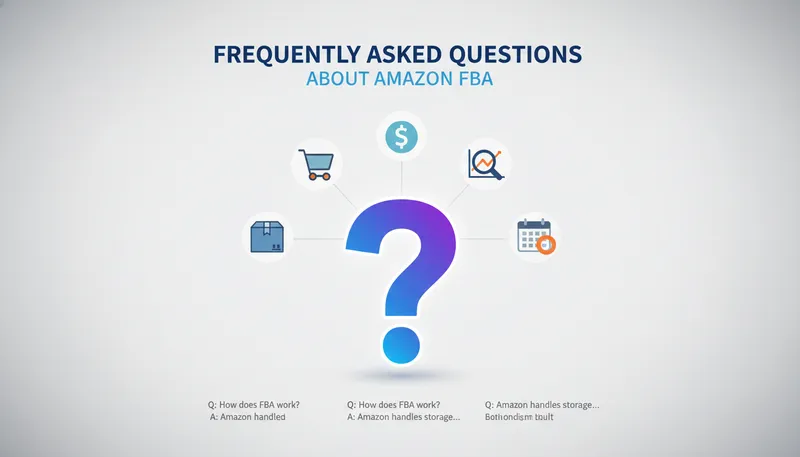
While the potential for success with Amazon FBA is significant, many new sellers stumble due to common pitfalls. Learning from the mistakes of others can save you time, money, and frustration. We've compiled a list of frequent errors to help you navigate your FBA journey more smoothly and ensure your Amazon KPI targets are met.
1. Insufficient Product Research
Problem: Launching products with low demand, high competition, or poor profit margins.
Impact: Slow sales, inability to cover FBA fees, and potential product failure.
Solution: Invest time in thorough market research using specialized tools and analyzing competitor offerings. Look for products with consistent demand and a clear path to differentiation.
2. Underestimating FBA Fees and Costs
Problem: Not accurately calculating all associated FBA fees (fulfillment, storage, referral, etc.) and other business expenses.
Impact: Selling at a loss or with very slim margins, leading to unsustainable business.
Solution: Use detailed spreadsheets or FBA calculators to project all costs before committing to inventory. Understand the vendor vs seller Amazon fee structures thoroughly.
3. Poor Inventory Management
Problem: Either stocking too much inventory (leading to high storage fees) or too little (leading to stockouts and lost sales/ranking).
Impact: Reduced profitability due to fees or missed sales opportunities and damaged customer trust.
Solution: Utilize Amazon's inventory management tools, forecast demand accurately, and consider reorder points. Maintain a healthy balance to maximize profits and optimize your Amazon KPI metrics.
4. Neglecting Product Listing Optimization
Problem: Creating generic or poorly written product titles, descriptions, and bullet points that don't attract customers or rank well in search.
Impact: Low click-through rates and conversion rates, hindering your ability to sale your products on Amazon effectively.
Solution: Conduct thorough keyword research and craft compelling, benefit-driven copy. Use high-quality images and consider A/B testing different listing elements.
5. Ignoring PPC Advertising
Problem: Relying solely on organic search results without investing in paid advertising.
Impact: Difficulty gaining initial visibility and competing with established sellers, impacting your overall Amazon KPI.
Solution: Develop a strategic PPC advertising plan. Start with basic campaigns and gradually optimize them, or leverage automated solutions like those offered by AdsCrafted to drive organic sales and maximize profits.
6. Inconsistent Quality or Customer Service
Problem: Selling products of subpar quality or failing to address customer issues promptly (even with FBA handling much of it).
Impact: Negative reviews, damaged brand reputation, and potential account suspension.
Solution: Ensure your products meet high standards and monitor customer feedback closely. Even with FBA, proactive communication regarding shipping delays or product inquiries can be beneficial.
Frequently Asked Questions
The primary FBA fees include fulfillment fees (for picking, packing, and shipping), monthly inventory storage fees, and referral fees (a percentage of the sale). Additional fees may apply for long-term storage or optional services. Understanding these costs is crucial for profitability.
Approval for an Amazon seller account and FBA is typically immediate once you provide the necessary information and payment details. The process of setting up your first shipment and getting products into the fulfillment center can take a few days to a couple of weeks, depending on your preparation and Amazon's processing times.
Amazon has specific guidelines for selling used items. While some used items can be sold with FBA, they must be in excellent condition and clearly categorized as 'used.' Sellers must ensure they meet Amazon's strict standards for used product sales to avoid account issues.
FBA (Fulfilled by Amazon) means Amazon handles storage, packing, shipping, and customer service. FBM (Fulfilled by Merchant) means the seller manages all these logistics themselves. FBA offers convenience and Prime eligibility, while FBM provides more control and potentially lower fees for certain items.
Amazon handles customer returns for FBA orders. Customers can return items directly to Amazon, and Amazon inspects the returned product. Depending on the condition and reason for return, Amazon will either restock the item or dispose of it, and will process the refund to the customer. Sellers are then credited back for the sale, minus applicable fees.