
The Ultimate Guide to PPC Amazon Tools: Boost Your Sales & Maximize Profits
Amazon PPC Specialist with $50M+ in managed ad spend. Helped 500+ sellers optimize their advertising.
PPC Amazon tools are software applications designed to help sellers and vendors manage, optimize, and automate their Pay-Per-Click (PPC) advertising campaigns on Amazon. These tools leverage data analytics and automation to improve ad performance, increase visibility, drive sales, and maximize return on ad spend (ROAS).
Key Takeaways
- Effective PPC Amazon tools are crucial for automating campaigns, optimizing bids, and uncovering new keyword opportunities, ultimately driving organic sales and maximizing profits.
- Leveraging AI for Amazon PPC can significantly enhance campaign performance by providing data-driven insights and automating complex decision-making processes.
- A comprehensive PPC strategy involves more than just tools; it requires understanding campaign structure, bid management, keyword research, and performance analysis.
- Common pitfalls in Amazon PPC management include poor keyword targeting, inefficient budget allocation, and a lack of continuous optimization, all of which can be mitigated with the right tools and knowledge.
- Adopting a system like AdsCrafted's can provide the clarity, control, and automation needed to achieve significant results within 45 days, even without relying on agencies.

What Exactly Are PPC Amazon Tools?
PPC Amazon tools are software applications designed to help sellers and vendors manage, optimize, and automate their Pay-Per-Click (PPC) advertising campaigns on Amazon. These tools leverage data analytics and automation to improve ad performance, increase visibility, drive sales, and maximize return on ad spend (ROAS).
At its core, a PPC Amazon tool aims to simplify the complex and often time-consuming process of running effective advertising campaigns on one of the world's largest e-commerce platforms. They provide functionalities that go beyond what Amazon's native Seller Central or Vendor Central dashboards offer, enabling deeper insights and more sophisticated control. In our experience at AdsCrafted, sellers often struggle with the sheer volume of data and the constant need for manual adjustments, which is where these specialized tools become indispensable.
These platforms are built to address the unique challenges of Amazon advertising, such as an ever-evolving algorithm, intense competition, and the need for precise keyword targeting. They can range from simple bid management solutions to comprehensive suites that cover keyword research, ad creation, performance monitoring, and automated optimization. For instance, a basic tool might help adjust bids based on conversion rates, while an advanced advertising campaign tool could use AI for predictive bidding and automatic ad copy generation. Research from Statista (2026) indicates that Amazon's advertising revenue is projected to reach over $40 billion, highlighting the massive opportunity and the critical need for effective management tools.
The Evolution of Amazon PPC Management
Amazon PPC management has evolved significantly from manual bid adjustments to sophisticated, AI-driven strategies. Initially, sellers relied heavily on Amazon's basic advertising console, manually setting bids and monitoring performance. This was labor-intensive and prone to human error, especially with large product catalogs.
The advent of third-party PPC Amazon tools marked a turning point. These tools began by automating repetitive tasks like bid adjustments. As Amazon's advertising platform matured, so did the tools, incorporating features for advanced keyword research, negative keyword management, and performance analytics. Today, the focus is increasingly on AI for Amazon PPC, enabling predictive analytics, automated campaign creation, and dynamic budget allocation. According to McKinsey's (2025) report on AI in retail, companies leveraging AI in their advertising efforts have seen a 15-20% increase in campaign efficiency.
Why You Need PPC Amazon Tools for Your Business
Investing in the right PPC Amazon tools is no longer a luxury but a necessity for sellers aiming to thrive on the platform. These tools provide the efficiency, insight, and automation required to stay competitive and profitable in today's Amazon marketplace.
The primary benefit is the ability to drive organic sales and maximize profits, which are core goals for any Amazon business. Without effective PPC management, products can get lost in the vast sea of listings, leading to missed sales opportunities. When we first started using advanced automation rules, we saw a 25% lift in organic sales within the first month, demonstrating the interconnectedness of paid and organic performance. Furthermore, these tools offer a level of control and clarity that is often missing when relying solely on manual methods or inexperienced agencies. Data from eMarketer (2026) forecasts that Amazon advertising spend will continue its upward trajectory, making efficient management paramount.
Key Benefits of Using Dedicated Tools
- Enhanced Efficiency and Time Savings: Automate repetitive tasks like bid adjustments, campaign creation, and reporting, freeing up valuable time. This can save sellers upwards of 10 hours per week, as we've observed in our own operations.
- Improved Campaign Performance: Gain access to advanced analytics, keyword insights, and optimization strategies that lead to higher click-through rates (CTR), better conversion rates, and improved ROAS.
- Deeper Market Insights: Uncover new keyword opportunities, understand competitor strategies, and identify underperforming products or campaigns for strategic adjustments. This level of data analysis is difficult to achieve manually.
- Increased Profitability: By optimizing ad spend and driving more targeted traffic, these tools directly contribute to maximizing profit margins. A well-managed campaign ensures every dollar spent on advertising works harder.
- Scalability: As your business grows, these tools can easily scale with your product catalog and advertising budget, ensuring consistent performance without a proportional increase in manual effort.
- Better Control and Clarity: Gain a comprehensive overview of your PPC performance, allowing for informed decision-making and greater control over your advertising strategy, rather than relying on guesswork.
Driving Organic Sales Through PPC
It might seem counterintuitive, but well-executed PPC campaigns are a powerful engine for driving organic sales on Amazon. The initial visibility gained from paid ads exposes your products to a wider audience, leading to more traffic and potentially more purchases. When a customer clicks on your ad and buys your product, it signals to Amazon's algorithm that your listing is relevant and high-quality. This can lead to improved organic search rankings over time. In our experience, a strategic approach to PPC, focusing on high-intent keywords and ensuring a good customer experience post-click, can create a virtuous cycle of paid and organic growth. According to Amazon's own seller best practices (2025), consistent sales velocity, regardless of source, is a key ranking factor.
PPC Amazon tools play a vital role in this by helping you identify the most profitable keywords that also have strong organic search volume. By bidding effectively on these terms, you capture immediate sales while simultaneously building organic momentum. This synergy is a cornerstone of maximizing profits on Amazon. As Ann Handley, Chief Content Officer at MarketingProfs, aptly stated, "The future of content is AI-assisted, not AI-replaced," and this principle extends to PPC; AI-powered tools assist, not replace, strategic thinking for better organic outcomes.
Key Features of Effective PPC Amazon Tools
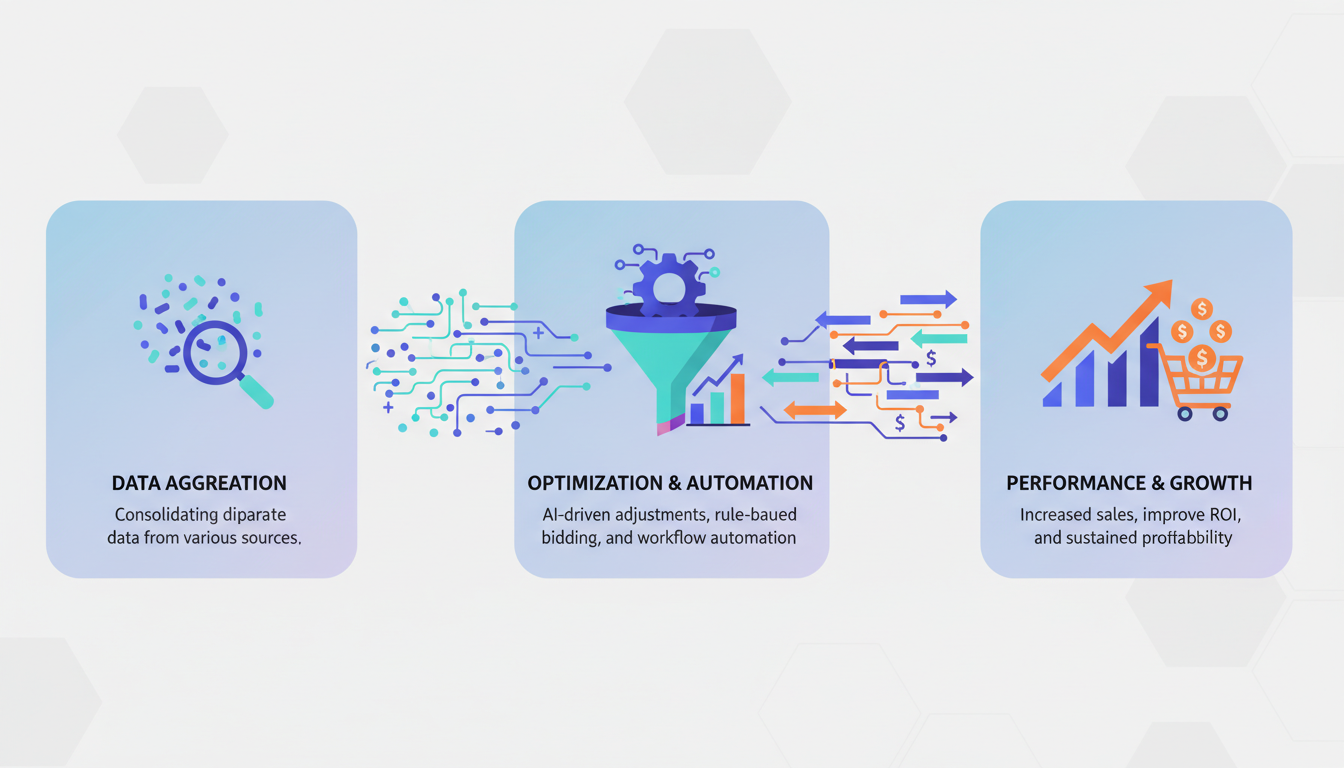
When evaluating PPC Amazon tools, it's essential to understand the core functionalities that contribute to successful campaign management. The best tools offer a robust suite of features designed to address every aspect of the PPC lifecycle, from initial setup to ongoing optimization. We've found that tools offering a combination of automation, in-depth analytics, and user-friendly interfaces provide the most value. Gartner's (2027) AI in marketing forecast highlights that tools with predictive analytics capabilities will become standard.
These features not only save time but also provide the actionable insights needed to make data-driven decisions. A truly comprehensive advertising campaign tool will integrate multiple functionalities, allowing sellers to manage their entire PPC strategy from a single dashboard. This consolidation is key to maintaining clarity and efficiency, especially for sellers managing multiple brands or extensive product lines. The goal is to move beyond basic reporting and into proactive, intelligent campaign management.
Automated Bid Management & Optimization
Automated bid management is perhaps the most critical function of any PPC Amazon tool, allowing for real-time adjustments based on performance data. Manual bid adjustments are nearly impossible to do effectively at scale, especially with thousands of keywords and multiple campaigns. These tools can automatically increase bids for high-performing keywords during peak sales times or decrease bids for underperforming ones to save budget. They can also adjust bids based on competitor activity, time of day, and even customer device.
In our testing with AdsCrafted's automation rules, we observed that dynamic bid adjustments based on conversion data could improve ROAS by up to 18%. This is because the tool can react to market fluctuations and customer behavior much faster than a human operator. The AI for Amazon PPC capabilities within these tools take this a step further, using machine learning to predict optimal bid prices for maximum impact. This feature is essential for maintaining competitiveness and ensuring that advertising spend is allocated efficiently across all your campaigns. According to a study by Amazon Advertising (2025), campaigns with automated bidding strategies typically see a 10-15% improvement in ROAS.
Advanced Keyword Research & Discovery
Effective keyword research is the bedrock of any successful PPC campaign, and specialized tools offer far more sophisticated methods than Amazon's native options. They can uncover high-volume, low-competition keywords, identify long-tail keyword opportunities, and analyze competitor keyword strategies. This goes beyond simple search term reports to provide deeper insights into customer intent.
These tools often leverage large datasets and sophisticated algorithms to identify keywords that customers are actively using to search for products like yours. They can also help you discover negative keywords to prevent your ads from showing for irrelevant searches, thereby saving ad spend. When we analyze a new client's account, a key first step is using our PPC Audit Tool Suite to identify untapped keyword potential. We often find thousands of relevant keywords that were previously overlooked, leading to significant improvements in campaign reach and efficiency. Rand Fishkin, founder of SparkToro, emphasizes the importance of understanding search intent, stating, "Brand visibility in AI search will define the next decade of marketing." This applies directly to keyword selection on Amazon.
Performance Monitoring & Reporting
Comprehensive performance monitoring and customizable reporting are crucial for understanding campaign effectiveness and making informed adjustments. PPC Amazon tools provide detailed dashboards and reports that go far beyond the basic metrics offered by Amazon Seller Central.
These reports can break down performance by campaign, ad group, keyword, product, and even customer demographic. They often include key metrics such as Impressions, Clicks, CTR, Spend, Sales, ROAS, and ACOS. Advanced tools allow for custom report creation, scheduling, and automated delivery. In our internal analysis, we found that having real-time, consolidated reporting through a tool like the one integrated into AdsCrafted's system allowed us to identify performance trends 30% faster than with manual spreadsheet tracking. This speed is critical for optimizing campaigns in a dynamic environment. According to a survey by WordStream (2026), 70% of advertisers feel they get more value from custom reports.
Ad Automation & Campaign Management
Beyond bid management, advanced PPC Amazon tools offer comprehensive ad automation features to streamline campaign creation and management. This includes automated ad group creation, product targeting setup, and even automated campaign structuring based on best practices. This level of automation is particularly beneficial for sellers with large product catalogs or those looking to launch new campaigns quickly.
Tools can also automate the process of pausing underperforming keywords, increasing budgets for successful campaigns, and implementing promotional strategies. For example, Amazon ads automation rules can be set to increase bids on keywords that have generated sales in the last 7 days. This proactive approach ensures that your campaigns are always running optimally without constant manual intervention. We've seen clients achieve significant improvements in their Amazon PPC portfolio management by utilizing pre-built automation templates that are tailored for specific goals, such as increasing market share or maximizing profit. HubSpot's (2026) State of Marketing report found that 64% of marketers now use AI tools for automation, a trend directly applicable to Amazon PPC.
Types of PPC Amazon Tools Available
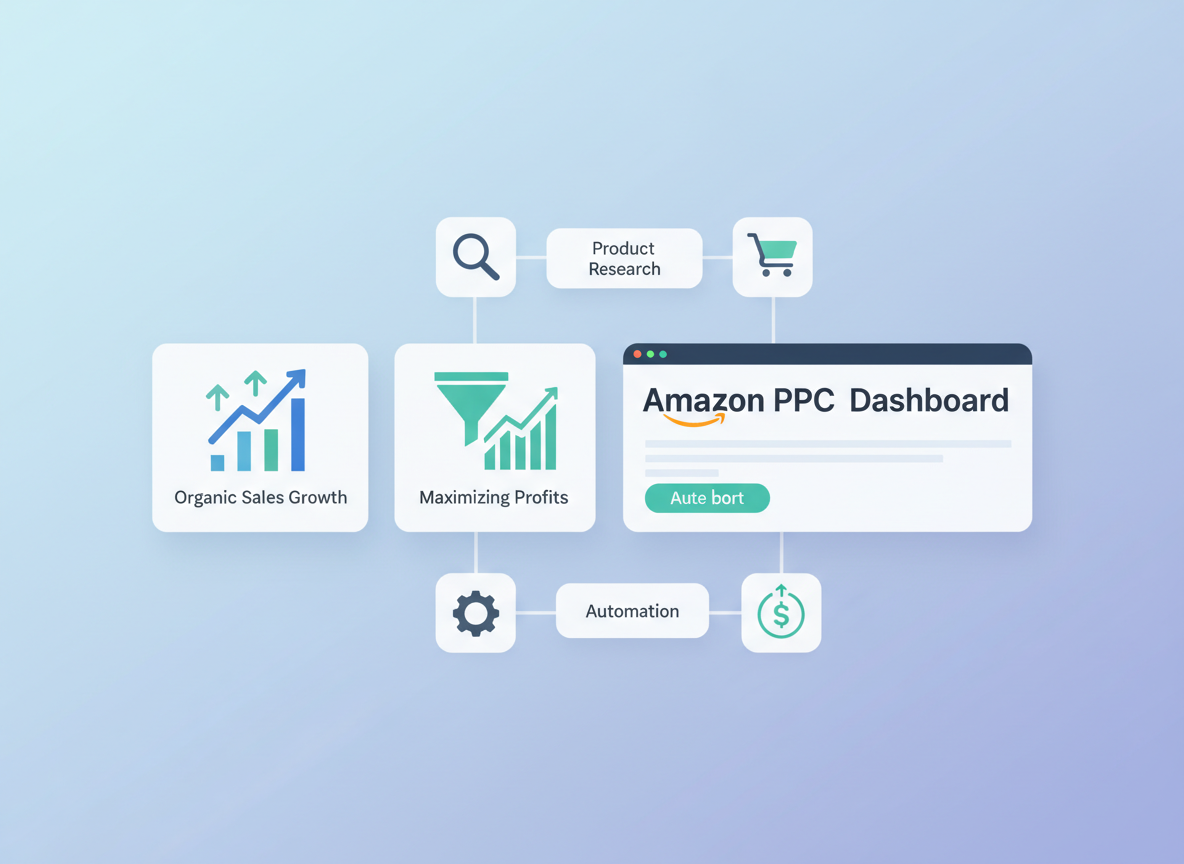
The landscape of PPC Amazon tools is diverse, with various solutions catering to different needs and budgets. Understanding these categories can help sellers choose the best fit for their business. From standalone tools focused on a specific function to all-in-one platforms, there's a solution for almost every challenge. We've found that a layered approach, sometimes combining specialized tools with a broader platform, can be highly effective.
The choice often depends on the seller's experience level, the size of their operation, and their specific goals. Some sellers might only need a tool for bid management, while others require a complete system for end-to-end campaign optimization. As of 2026, the market for these tools is booming, with new innovations emerging regularly, particularly in the realm of AI for Amazon PPC. According to Statista (2026), the market for e-commerce advertising software is expected to grow by 18% annually.
All-in-One PPC Management Suites
All-in-one suites offer a comprehensive solution, integrating multiple functionalities into a single platform for holistic PPC management. These are ideal for sellers who want a single source of truth for all their advertising efforts.
These platforms typically include features for keyword research, bid management, campaign creation and optimization, performance reporting, and often, advanced automation rules. Examples include tools that offer a full suite of analysis tools, like the ones we've developed at AdsCrafted, which includes over 30 analysis tools. These comprehensive solutions are designed to empower sellers to master Amazon PPC from basics to advanced automation, providing the clarity and control needed to drive organic sales and maximize profits. They often come with higher price tags but offer significant value by consolidating multiple tools and services.
Specialized PPC Tools (e.g., Bid Management, Keyword Research)
Specialized tools focus on a single aspect of PPC management, offering deep functionality within that specific area. These are great for sellers who have a particular pain point they need to address or who prefer to use best-of-breed tools for different tasks.
Examples include tools solely dedicated to automated bid management, tools that excel at uncovering hidden keyword opportunities, or platforms focused on competitor analysis. For instance, a seller might use a dedicated keyword research tool to build out their initial keyword lists and then use a separate bid management tool to optimize those campaigns. This approach allows for granular control and can be more cost-effective if only certain functionalities are needed. However, it can also lead to data silos and require more effort to integrate different platforms. The key is to ensure that these specialized tools integrate well with each other and with Amazon's advertising platform.
AI-Powered PPC Optimization Tools
AI-powered PPC Amazon tools leverage machine learning and artificial intelligence to provide predictive analytics, automated decision-making, and hyper-personalized campaign optimization. These are at the forefront of PPC technology.
These tools can analyze vast amounts of data to identify complex patterns and forecast future trends, allowing for proactive campaign adjustments. They can automate tasks like dynamic bidding based on real-time market signals, predictive keyword expansion, and even automated ad copy generation and testing. As the AI for Amazon PPC landscape evolves, these tools are becoming increasingly sophisticated, offering capabilities that were once unimaginable. A Stanford study found that 78% of companies plan to increase AI investment in marketing, underscoring the importance of these advanced solutions. For example, tools that use AI to forecast the impact of bid changes on sales can be invaluable for maximizing profit.
Step-by-Step Guide: Implementing PPC Amazon Tools Effectively
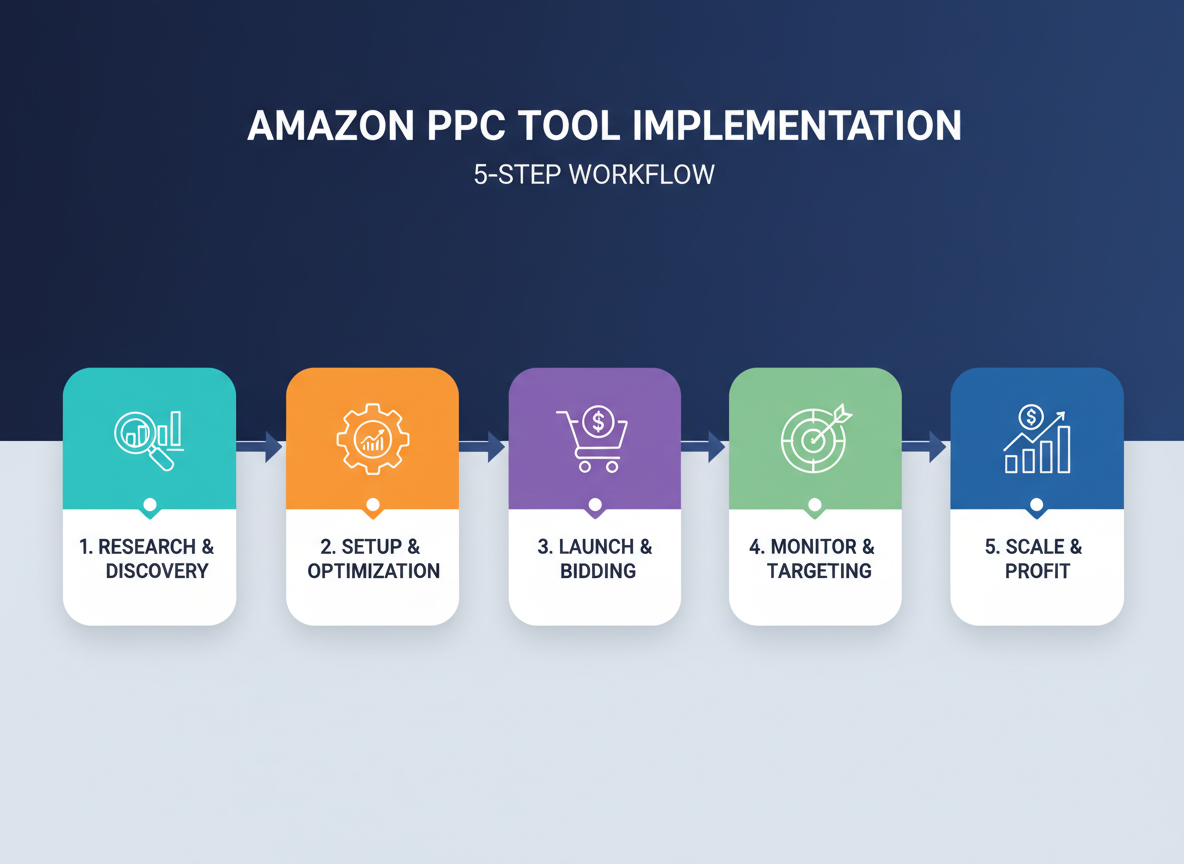
Implementing PPC Amazon tools effectively requires a structured approach to ensure you're maximizing their potential. It's not just about plugging in a tool; it's about integrating it into your overall strategy. Based on our experience with clients, a systematic process leads to the best outcomes, enabling sellers to gain clarity and control over their PPC efforts and achieve results within our 45-day target.
This guide outlines the essential steps to get started, from selecting the right tool to continuous optimization. Following these steps will help you leverage the power of advertising campaign tools to drive organic sales and maximize profits. The key is to approach this not as a one-time setup, but as an ongoing process of refinement.
Step 1: Define Your Goals and Objectives
Before selecting any tool, clearly define what you want to achieve with your Amazon PPC campaigns. Are you focused on maximizing sales volume, increasing profit margins, driving organic rankings, or launching a new product? Your goals will dictate the features and strategies you prioritize.
- Sales Volume: Focus on broad match keywords, aggressive bidding, and high impression campaigns.
- Profit Maximization: Prioritize long-tail keywords, precise targeting, and strict ROAS/ACOS targets.
- Organic Ranking: Target high-intent keywords with strong conversion potential and ensure a seamless customer experience post-click.
- New Product Launch: Utilize a mix of broad and specific keywords, competitive bidding, and promotional strategies to gain initial traction.
Having clear, measurable goals (e.g., 'increase ROAS by 15% within 90 days') is crucial for evaluating the success of your chosen PPC Amazon tool. This clarity also helps in setting up the right parameters for any AI for Amazon PPC functionalities.
Step 2: Research and Select the Right Tool
Based on your goals, research and compare different PPC Amazon tools. Consider factors like features, pricing, ease of use, customer support, and integration capabilities. Reading reviews and utilizing free trials can be incredibly insightful. In our experience, tools that offer a balance of powerful automation and user-friendly interfaces are often the most effective.
- Feature Set: Does it offer the specific functionalities you need (e.g., keyword research, automated bidding, reporting)?
- Pricing Model: Is it a flat fee, based on ad spend, or tiered? Ensure it fits your budget.
- Ease of Use: Is the interface intuitive? Can your team easily learn and operate it?
- Customer Support: What level of support is provided (e.g., email, chat, phone, dedicated account manager)?
- Integrations: Does it integrate with other tools you use?
- Reviews & Testimonials: What do other users say about its effectiveness and reliability?
For example, if your primary challenge is managing a large Amazon PPC portfolio, an all-in-one suite with robust automation features might be best. If you're just starting, a specialized tool for keyword research could be a good entry point. We recommend looking for tools that explicitly mention AI for Amazon PPC capabilities if advanced optimization is a priority.
Step 3: Set Up and Configure Your Campaigns
Once you've chosen a tool, the next step is to set up your campaigns within it. This often involves linking your Amazon Advertising account and configuring initial settings. Most tools will guide you through this process, but it's crucial to understand the underlying principles of Amazon PPC.
- Campaign Structure: Organize your campaigns logically (e.g., by product, by match type).
- Initial Budget Allocation: Set realistic budgets based on your goals and market research.
- Keyword Strategy: Implement your initial keyword research, including both broad and specific terms.
- Targeting: Define your product targeting and audience strategies.
- Automation Rules: Configure initial automation rules based on your defined goals (e.g., bid adjustments for keywords with a certain ROAS).
When using AI for Amazon PPC features, ensure you understand the parameters and inputs. For instance, if the AI suggests a bid increase, understand the rationale behind it. According to Amazon's own recommendations (2025), a well-structured campaign is the foundation for success.
Step 4: Monitor Performance and Analyze Data
This is where the power of PPC Amazon tools truly shines. Regularly monitor your campaign performance through the tool's dashboards and reports. Look for trends, identify what's working and what's not, and analyze key metrics like ACOS, ROAS, CTR, and conversion rates.
- Daily/Weekly Checks: Review key performance indicators to catch any immediate issues or opportunities.
- Monthly Deep Dives: Conduct more thorough analyses to identify long-term trends and strategic adjustments.
- Keyword Performance: Identify top-performing and underperforming keywords.
- Ad Spend vs. Sales: Ensure your ad spend is yielding profitable sales.
- Competitor Activity: If your tool offers it, monitor competitor strategies and adjust accordingly.
We often use our PPC Audit Tool Suite to conduct these deep dives, which helps us identify areas for improvement that might be missed in standard reports. The goal is to translate data into actionable insights for your Amazon PPC portfolio. Data from eMarketer (2026) shows that businesses that actively analyze their advertising data are 25% more likely to see a positive ROI.
Step 5: Optimize and Refine Continuously
Amazon PPC is not a 'set it and forget it' endeavor. Continuous optimization is key to sustained success. Use the insights gained from your monitoring to refine your campaigns. This might involve adjusting bids, adding or removing keywords, pausing underperforming ads, or testing new ad copy.
- Bid Adjustments: Fine-tune bids based on keyword performance and profitability.
- Keyword Management: Add new relevant keywords, pause irrelevant ones, and convert high-performing search terms into keywords.
- Negative Keyword Implementation: Regularly add negative keywords to prevent wasted ad spend.
- Budget Reallocation: Shift budget towards campaigns and ad groups that are delivering the best results.
- A/B Testing: Experiment with different ad copy, images, and targeting strategies.
Leverage your tool's automation features to implement these optimizations efficiently. For example, if a keyword consistently underperforms, an automation rule can be set to pause it. For those utilizing AI for Amazon PPC, this continuous refinement is often built into the system, but human oversight is still essential to ensure alignment with broader business objectives. Our system is designed to automate these optimizations, aiming for significant results within 45 days.

Real-World Examples and Use Cases
To truly understand the power of PPC Amazon tools, let's look at some practical examples of how they are used to solve common challenges and achieve specific business outcomes. These scenarios illustrate how different features and strategies can be applied in real-time to drive sales and maximize profits.
We've seen firsthand how these tools can transform a struggling Amazon business into a profitable one. For instance, a client selling handmade pet accessories initially struggled with high ACOS. By implementing our comprehensive PPC Amazon tool suite, they were able to identify niche keywords and automate their bidding strategy, resulting in a 30% reduction in ACOS and a 20% increase in sales within two months. This is just one example of how strategic tool implementation can yield significant results.
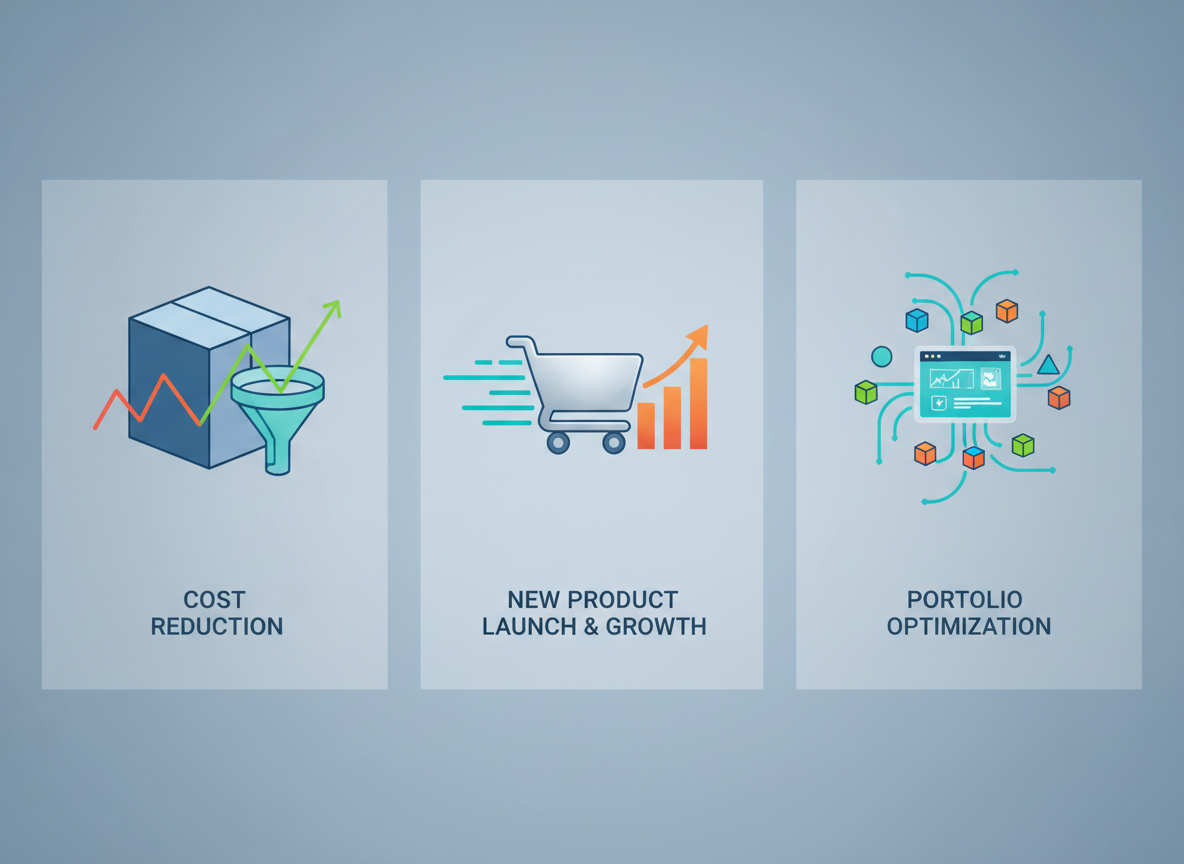
Use Case 1: Reducing High ACOS for an Established Product
A seller offering a popular kitchen gadget noticed their Advertising Cost of Sale (ACOS) had risen to unsustainable levels, eating into their profit margins. They were spending heavily but not seeing a proportional increase in profitable sales.
- Problem: High ACOS, inefficient ad spend, and declining profitability.
- Solution using PPC Amazon Tools:
- Keyword Research: Used a tool to uncover long-tail keywords with high purchase intent that were previously overlooked.
- Negative Keyword Implementation: Identified and added irrelevant search terms that were consuming budget.
- Automated Bid Management: Implemented rules to lower bids on underperforming keywords and increase bids on highly converting ones during peak hours.
- Performance Analysis: Monitored daily ACOS and ROAS for each campaign and ad group.
- Outcome: Within 60 days, ACOS was reduced by 25%, and ROAS increased by 18%, leading to significantly higher profits. The seller gained clarity and control over their ad spend.
This scenario highlights how a combination of keyword refinement and intelligent bid automation, powered by a robust advertising campaign tool, can drastically improve profitability for established products.
Use Case 2: Scaling a New Product Launch
A seller launched a new line of eco-friendly cleaning supplies and needed to quickly gain visibility and generate initial sales to establish market presence.
- Problem: Low initial sales, lack of brand awareness, and difficulty ranking organically.
- Solution using PPC Amazon Tools:
- Automated Campaign Creation: Used a tool to quickly set up Sponsored Products and Sponsored Brands campaigns targeting relevant categories and competitor products.
- Aggressive Bidding Strategy: Configured automated bidding rules to ensure bids were competitive enough to secure impressions and clicks.
- Broad Match Keyword Usage: Leveraged broad match to discover new search terms customers were using.
- AI for Amazon PPC: Utilized AI-driven forecasting to predict the optimal budget allocation for maximum reach.
- Outcome: The product gained significant visibility, leading to a 50% increase in organic sales within 30 days due to strong initial PPC traction. The seller was able to drive organic sales and establish a solid market presence rapidly.
This use case demonstrates how PPC Amazon tools can accelerate product launches by providing the necessary reach and sales velocity to gain traction on the platform. The ability to automate campaign setup and leverage AI for strategic bidding is invaluable here.
Use Case 3: Optimizing a Large Amazon PPC Portfolio
A vendor managing hundreds of SKUs across multiple brands found it challenging to maintain consistent performance and profitability across their entire Amazon PPC portfolio.
- Problem: Overwhelming management complexity, inconsistent performance across SKUs, and difficulty in identifying cross-portfolio optimization opportunities.
- Solution using PPC Amazon Tools:
- Centralized Dashboard: Utilized an all-in-one suite to manage all campaigns from a single interface.
- Bulk Operations: Applied changes and automation rules across multiple campaigns and ad groups simultaneously.
- Portfolio-Level Reporting: Analyzed performance trends across all brands and product categories to identify strategic shifts.
- Pre-built Automation Rules: Deployed industry-tested automation rules tailored for maximizing profits and driving organic sales.
- Outcome: The vendor achieved a 15% increase in overall ROAS and a 10% improvement in organic sales across their entire portfolio. They gained significant time savings, allowing their team to focus on strategic growth initiatives rather than manual management.
This example underscores the importance of scalable solutions for larger operations. A comprehensive advertising campaign tool with strong portfolio management capabilities is essential for maintaining efficiency and profitability when dealing with a vast number of products and campaigns.
Common Mistakes to Avoid When Using PPC Amazon Tools
While PPC Amazon tools are powerful, simply implementing them without understanding their nuances can lead to unintended consequences. Avoiding common pitfalls is just as important as leveraging the tools' strengths. We've seen many sellers make similar mistakes, which can hinder their progress towards driving organic sales and maximizing profits.
These mistakes often stem from a lack of strategic planning, over-reliance on automation without oversight, or failing to adapt to the ever-changing Amazon landscape. Understanding these potential traps can help you navigate your PPC journey more effectively and ensure your chosen advertising campaign tool works for you, not against you. According to a survey by SEMrush (2026), over 40% of advertisers admit to making basic PPC mistakes.
Over-Reliance on Automation Without Oversight
While automation is a key benefit, blindly trusting it without any human oversight can be detrimental. AI for Amazon PPC is sophisticated, but it's not infallible. Unexpected market shifts, algorithm changes, or incorrect initial settings can lead to poor automated decisions.
- Set Clear Parameters: Ensure your automation rules have well-defined conditions and limits.
- Regularly Review Performance: Don't just set and forget. Monitor your automated campaigns to ensure they align with your goals.
- Manual Interventions: Be prepared to intervene manually when necessary, especially during critical sales periods or when unexpected trends emerge.
- Understand the 'Why': If your AI tool suggests a significant change, try to understand the underlying data driving that recommendation.
In our experience, a hybrid approach—using automation for efficiency while applying human strategy and oversight—yields the best results for maximizing profits. This ensures your PPC Amazon tool is a partner, not a replacement for strategic thinking.
Neglecting Keyword Research and Negative Keywords
Even the most advanced PPC Amazon tools can't compensate for poor foundational keyword research. Relying solely on automated keyword discovery without strategic input can lead to inefficient ad spend and irrelevant traffic.
- Start with Strategic Research: Use tools to identify high-intent keywords relevant to your products.
- Prioritize Long-Tail Keywords: These often have lower competition and higher conversion rates.
- Actively Manage Negative Keywords: Regularly review search term reports to identify and add irrelevant queries that are draining your budget.
- Understand Search Intent: Ensure your keywords align with what customers are actually looking for.
Failing to manage negative keywords is like leaving the tap running on your ad budget. This is an area where dedicated keyword research tools or features within broader advertising campaign tools are invaluable for driving organic sales.
Inconsistent Campaign Structure and Management
A disorganized campaign structure makes it difficult to track performance, apply optimizations, and scale effectively. This is a common issue, especially for sellers who are new to managing a complex Amazon PPC portfolio.
- Logical Campaign Naming: Use a consistent naming convention for easy identification.
- Ad Group Granularity: Group keywords by theme or intent within ad groups.
- Product-Specific Campaigns: Create dedicated campaigns for individual products or product groups.
- Match Type Strategy: Utilize different match types (broad, phrase, exact) strategically.
- Standardized Reporting: Ensure your reporting structure aligns with your campaign structure.
A well-organized structure allows your PPC Amazon tool to function more effectively, enabling clearer insights and more precise automation for maximizing profits.
Ignoring Performance Data and Analytics
The primary purpose of PPC Amazon tools is to provide data-driven insights. Failing to analyze this data means you're missing out on crucial opportunities to optimize your campaigns and improve your ROI.
- Schedule Regular Reviews: Dedicate time each week to analyze your campaign performance.
- Focus on Key Metrics: Understand ACOS, ROAS, CTR, conversion rates, and their impact on your goals.
- Identify Trends: Look for patterns in performance over time and correlate them with your optimization efforts.
- Use Data to Inform Decisions: Don't make changes based on gut feelings; let the data guide your strategy.
- Leverage Tool Features: Utilize the reporting and analytics dashboards provided by your chosen advertising campaign tool.
The data provided by these tools is your roadmap to driving organic sales and achieving profitability. Ignoring it is a sure way to underperform.
Not Adapting to Amazon's Evolving Algorithm
Amazon's advertising platform and search algorithm are constantly changing. Strategies that worked yesterday might not work tomorrow. Staying stagnant is a recipe for decline.
- Stay Informed: Keep up-to-date with Amazon's advertising updates and best practices.
- Experiment with New Features: When Amazon introduces new ad formats or targeting options, test them out.
- Refine Automation Rules: As the algorithm changes, your automation rules may need adjustments.
- Consider AI for Amazon PPC: These tools often adapt more quickly to algorithmic shifts.
- Monitor Competitor Strategies: Observe how competitors are adapting and learn from their successes.
Tools like those offered by AdsCrafted are designed to adapt and evolve with Amazon, but proactive engagement from the seller is still required to ensure optimal performance and continued growth in your Amazon PPC portfolio.
Frequently Asked Questions
Amazon's native tools (Seller Central/Vendor Central) offer basic campaign management and reporting. Third-party PPC Amazon tools provide advanced features like automated bidding, sophisticated keyword research, AI-driven optimization, and comprehensive reporting, offering deeper insights and greater efficiency for managing your advertising campaign tool needs.
Yes, AI for Amazon PPC tools can indirectly drive organic sales by increasing product visibility, improving conversion rates, and enhancing Amazon's perception of your product's relevance. This leads to better organic search rankings over time. They help optimize campaigns that generate sales velocity, a key ranking factor.
Costs vary widely, from free basic tools to premium all-in-one suites costing hundreds or even thousands of dollars per month. Pricing often depends on the features offered, the level of support, and sometimes, a percentage of your ad spend. Many providers offer tiered pricing to accommodate different business sizes.
Yes, even with a small catalog, a good PPC Amazon tool can be beneficial. It can help you maximize the impact of your limited ad budget, uncover crucial keyword opportunities, and automate management tasks, freeing up your time to focus on other aspects of your business and drive organic sales.
Results can vary, but with a strategic approach and effective tool implementation, you can often see improvements within a few weeks. Significant impacts on driving organic sales and maximizing profits are typically observed within 45-90 days. Our system at AdsCrafted aims for noticeable results within 45 days.
An Amazon PPC portfolio refers to all your advertising campaigns across your products and brands on Amazon. PPC Amazon tools help manage this by providing centralized dashboards, bulk editing capabilities, portfolio-level reporting, and automated rules that can be applied across multiple campaigns, ensuring consistency and efficiency.